Best Meal Prep Containers: Glass vs Plastic Buying Guide
Glass or plastic? How to choose meal prep containers for reheating, freezing, carrying and washing, plus the features worth paying for and the ones you can skip.
Disclosure: Product links on this site aren't affiliate links: we don't earn anything from them today. If that changes, we may earn a commission at no extra cost to you, and this note will say so. Parts of this article were drafted with AI assistance and edited before publishing. Read our disclaimer.
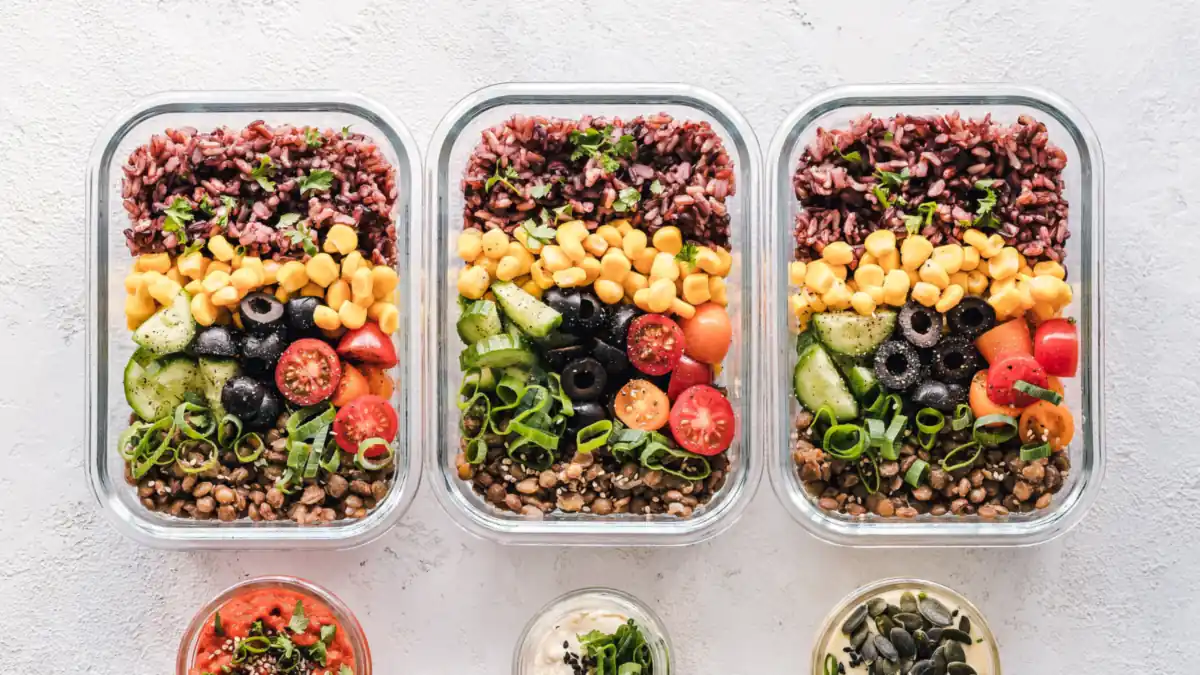
For most people, the best setup is a mix: glass containers for meals you reheat at home and lightweight plastic for lunches you carry and things you freeze. What matters more than the material is the lid, the shape and whether the set is labeled safe for how you plan to use it.
Containers are the one piece of meal-prep gear you'll use every single week, so they're worth choosing on purpose rather than grabbing whatever is on sale. This guide is research-based: it draws on manufacturer care instructions and U.S. Food and Drug Administration (FDA) guidance on food-contact materials. We haven't run hands-on tests, and we don't rank specific brands as "tested." Instead, we explain what to look for so you can judge any listing.
Glass vs plastic at a glance
| Factor | Glass | Plastic |
|---|---|---|
| Reheating in the microwave | Excellent; doesn't stain or hold smells | Only if labeled microwave-safe; may stain with tomato or curry |
| Oven use | Many bases are oven-safe (check the label); lids usually aren't | Generally not oven-safe |
| Freezing | Works, but leave headspace and avoid sudden temperature changes | Works well; lighter and less likely to break if dropped |
| Weight for commuting | Heavy | Light |
| Durability | Doesn't scratch easily but can chip or shatter | Can scratch, warp and cloud over time |
| Upfront cost | Higher | Lower |
When glass makes sense
Glass is the better choice if you mostly eat prepped meals at home or have a microwave at work and don't mind the weight. It doesn't absorb the smell of last week's curry, it won't stain orange from tomato sauce, and many glass bases can go from fridge to oven for reheating a casserole. That can make glass the better long-term buy even though it costs more up front.
There are two kinds of glass you'll see in listings:
- Borosilicate glass is more resistant to sudden temperature changes.
- Tempered soda-lime glass is common in U.S. food storage and is strong against bumps, but it's more sensitive to rapid temperature swings.
Either can work well. What matters is following the maker's instructions. Glass bakeware and containers can break from thermal shock, which is what happens when you move a dish straight from the freezer into a hot oven, or set a hot dish on a wet or cold counter. Let frozen glass thaw in the fridge first and never add cold liquid to hot glass.
## When plastic makes sensePlastic is lighter, cheaper and more forgiving if it gets dropped in a work bag. It's also handy for freezing soups and chili because you can buy many identical containers that stack neatly.
A few rules keep plastic safe and useful:
- Microwave only containers labeled microwave-safe. The FDA notes that containers labeled this way have been evaluated for that use. Takeout tubs and margarine tubs usually haven't been.
- Microwave with the lid vented or off, and don't let plastic wrap touch the food.
- Retire containers that are cracked, warped or deeply scratched. They're harder to clean and may not seal.
- "BPA-free" isn't the whole story. It tells you about one chemical, not whether the container is right for microwaving. Follow the label for each use.
If you want to reduce how often plastic is heated, a simple compromise is to store in plastic and reheat on a plate or in a glass bowl.
## The features that actually matterA lid that seals and survives the dishwasher
The lid is usually the first part to fail. Look for lids with a removable silicone gasket so you can clean underneath it, and check whether the lid is top-rack dishwasher-safe. Four-sided locking lids are more leak-resistant than press-on lids, which matters for soups and anything saucy you carry to work.
Shape and size
Rectangular and square containers stack better and waste less fridge space than round ones. For dinners, a container of around 3 to 4 cups suits most adult portions of grain bowls and stir-fries. Smaller 1- to 2-cup containers are useful for sauces, snacks and kids' portions.
Compartments: helpful or annoying?
Divided containers keep a crisp side away from a saucy main, which helps for bowls and bento-style lunches. They're less useful for chili, curry and pasta, and they're harder to fill neatly. Many people buy mostly single-compartment containers plus a few divided ones.
Uniform sets
Buy several of the same size rather than a 30-piece set of mismatched shapes. Uniform containers stack, every lid fits every base, and you can see at a glance how many meals you have ready.
How to size your collection
Count your meals, not your containers. If you prep five dinners for two people and pack two lunches a day, that's 10 dinner containers and 10 lunch containers in use at once. Add a few spares for the days dishes don't get done and for freezer portions. Many households land at around 15 to 20 main containers plus a handful of small ones.
Freezer tips for any container
- Leave headspace. Liquids expand when they freeze. Leave about half an inch to an inch at the top.
- Cool first, then freeze. Chill food in the fridge before freezing it so it freezes faster and doesn't warm nearby items.
- Label with the dish and date. Frozen food kept at 0°F stays safe indefinitely, but quality drops over time, so most cooked dishes taste best within two to three months.
For more, see our guide to freezer-friendly meal prep.
Care and cleaning
Wash containers soon after use so sauces don't set. A paste of baking soda and water helps lift tomato stains from plastic, and leaving lids open to air-dry stops trapped moisture from causing smells. Take silicone gaskets out of lids now and then and wash them separately, since that's where gunk collects.
Glass: pros
- Doesn't stain or hold odors
- Many bases are oven-safe
- Lasts for years with care
Glass: cons
- Heavy to carry
- Can break from drops or thermal shock
- Costs more up front
The bottom line
If you're starting from scratch, buy a set of uniform glass containers with locking lids for dinners at home, plus a stack of microwave-safe plastic containers for lunches and freezer portions. Check every listing for the use labels you need, and treat the lid as the deciding feature.
Frequently asked questions
Can glass meal prep containers go from the freezer to the oven?
Generally no. Sudden temperature changes can crack glass. Thaw the container in the fridge first and follow the manufacturer's temperature limits. Lids usually aren't oven-safe.
Is it safe to microwave plastic meal prep containers?
Only microwave containers labeled microwave-safe, and vent or remove the lid. Don't microwave takeout tubs or containers that are cracked or warped.
How many meal prep containers do I need?
Count the meals you'll have prepared at once and add a few spares. For two people prepping dinners and lunches, 15 to 20 main containers is a common starting point.