Sheet-Pan Meal Prep: 10 One-Pan Dinners
Ten sheet-pan dinners for easy meal prep, with oven temperatures, timing tips, safe internal temperatures and how to run two pans at once.
Disclosure: Product links on this site aren't affiliate links: we don't earn anything from them today. If that changes, we may earn a commission at no extra cost to you, and this note will say so. Parts of this article were drafted with AI assistance and edited before publishing. Read our disclaimer.
Sheet-pan dinners are the easiest way to meal prep: one hot oven, one pan, almost no hands-on time and very little cleanup. Most of them roast at 400°F to 425°F in 20 to 40 minutes, so you can cook two at once and get four or more meals out of one session.
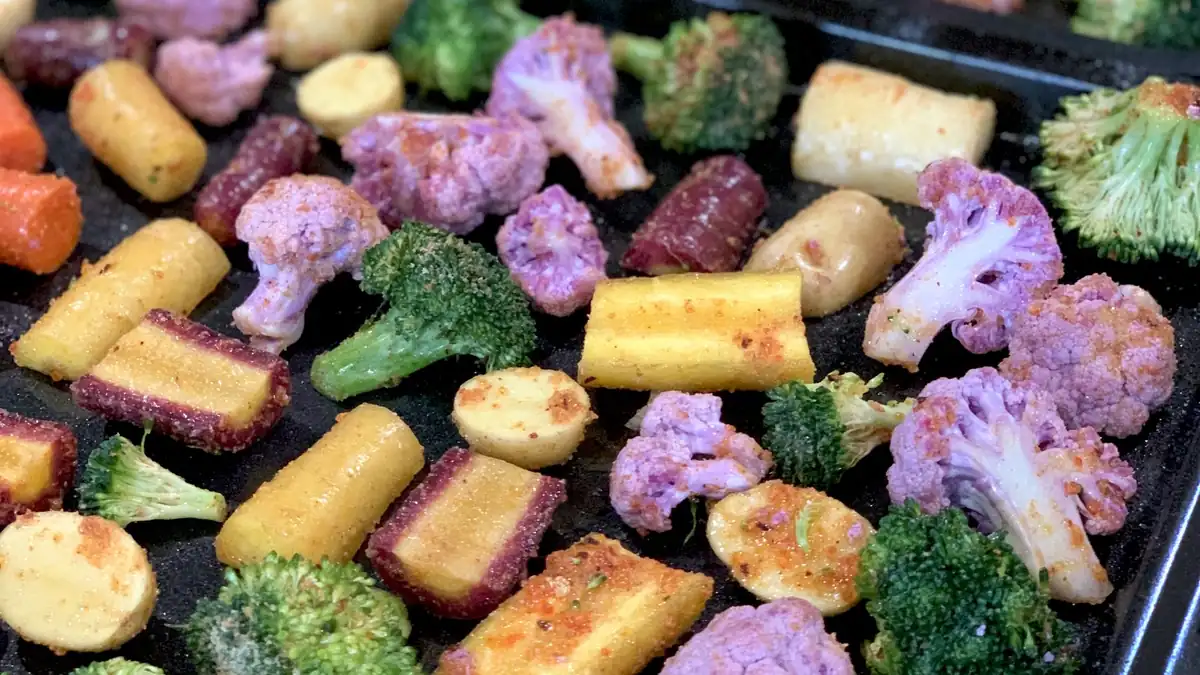
The formula is simple: a protein, one or two vegetables, oil and seasoning, spread on a pan and roasted at high heat. The trick is matching ingredients that cook in similar times, or adding faster ingredients partway through.
Sheet-pan basics
Use the right pan
A heavy rimmed half-sheet pan (about 18 by 13 inches) is the standard. Thin pans can warp at high heat. Line it with parchment or foil for faster cleanup.
Don't crowd the pan
Food packed too tightly steams instead of roasting and won't brown. Leave a little space between pieces. If it doesn't fit in a single layer, use two pans.
Cut to match cooking times
Cut dense vegetables like potatoes and carrots smaller, and quicker ones like zucchini and peppers larger, so they finish together. Or start slow-cooking ingredients first and add the rest later.
Rough timing guide at 425°F
| Ingredient | Approximate roasting time |
|---|---|
| Baby potatoes, halved | 30 to 35 min |
| Sweet potato, ¾-inch cubes | 25 to 30 min |
| Carrots, sliced | 20 to 25 min |
| Boneless chicken thighs | 20 to 25 min |
| Broccoli and cauliflower florets | 15 to 20 min |
| Bell peppers and onions | 15 to 20 min |
| Green beans | 12 to 15 min |
| Salmon fillets | 12 to 15 min |
| Shrimp | 6 to 8 min |
Ovens vary, so treat these as starting points. For meat and fish, always check the internal temperature.
Ten sheet-pan dinners
1. Lemon-garlic chicken thighs with potatoes and green beans
Start the potatoes and chicken together, then add green beans for the last 12 minutes. Chicken thighs should reach 165°F.
2. Chicken sausage with sweet potato and kale
Precooked chicken sausage only needs heating through to 165°F. Roast sweet potato and onion for 20 minutes, then add sliced sausage and kale for the last 10.
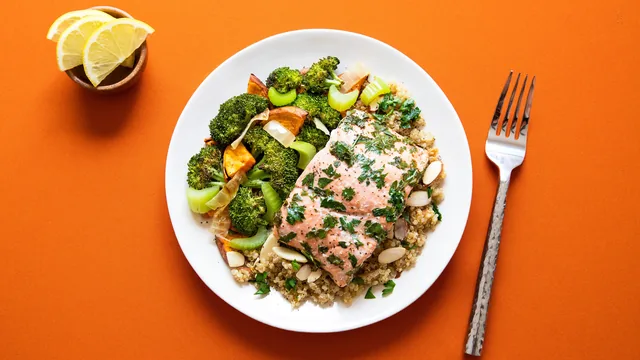
3. Teriyaki salmon with broccoli
Roast at 400°F for 12 to 15 minutes, until salmon reaches 145°F. Brush with teriyaki sauce in the last few minutes so it doesn't burn. Serve with rice.
4. Chicken fajitas
Slice chicken breast, peppers and onions into strips, toss with fajita seasoning, and roast at 425°F for about 20 minutes. Pack tortillas and toppings separately.
5. Gnocchi with sausage and peppers
Shelf-stable gnocchi roasts beautifully on a sheet pan and gets crisp edges. Add sliced Italian sausage (cook to 160°F if raw pork; 165°F if poultry) and peppers.
6. Tofu and vegetable "stir-fry"
Toss pressed tofu cubes with soy sauce and cornstarch and roast with broccoli and snap peas at 425°F for 25 minutes. Toss with sauce afterward.
7. Shrimp and vegetables with orzo
Roast zucchini and tomatoes for 15 minutes, then add shrimp for the last 6 to 8 minutes until opaque. Serve over orzo. Shrimp is best eaten within the first two days.
8. Chickpea and cauliflower curry tray
Roast canned chickpeas and cauliflower with curry powder and oil. Serve with rice and a yogurt sauce. A good vegetarian option that reheats well.
9. Pork tenderloin with apples and Brussels sprouts
Roast tenderloin to 145°F and rest it for 3 minutes before slicing. Apples and halved Brussels sprouts roast alongside.
10. Mediterranean meatballs with vegetables
Turkey or beef meatballs roasted with zucchini, red onion and cherry tomatoes. Cook ground turkey to 165°F and ground beef to 160°F. Serve with couscous and tzatziki.
Running two pans at once
The real meal-prep advantage is cooking two trays together. For best results:
- Put the racks in the upper and lower thirds of the oven.
- Swap and rotate the pans halfway through, since the top and bottom heat differently.
- Expect a few extra minutes of cooking time with a full oven.
- Pair recipes that roast at the same temperature, such as two at 425°F.
Let food stop steaming for a few minutes, then portion it into shallow containers and refrigerate within 2 hours of cooking. Keep crispy toppings and fresh herbs separate. Eat within 3 to 4 days, and reheat to 165°F.
For the crispiest results when reheating, use a toaster oven or air fryer instead of a microwave.
Make it a system
Pick one sheet-pan dinner per week as a reliable anchor. Once you know a few by heart, you can swap proteins and vegetables freely: the method stays the same. The Weekly Prep Planner includes two sheet-pan options to get you started.
Seasoning combinations that work on any pan
Once you know the method, the seasoning is what makes each dinner different. Toss the protein and vegetables with oil and one of these blends before roasting:
- Lemon-herb: lemon zest, garlic, dried oregano and black pepper. Squeeze lemon juice on after roasting.
- Smoky: smoked paprika, garlic powder, cumin and a pinch of brown sugar.
- Italian: Italian seasoning, garlic and red pepper flakes, with Parmesan after roasting.
- Curry: curry powder, cumin and turmeric, with a yogurt sauce on the side.
- Sesame-ginger: soy sauce, ginger and garlic, finished with sesame seeds and green onions.
Use about 1 tablespoon of oil per pound of vegetables, enough to coat lightly so they brown rather than steam.
Common sheet-pan mistakes
- Not preheating. Put food into a fully hot oven so it starts browning right away.
- Skipping the flip. Stir or turn vegetables halfway through for even color.
- Adding sugary sauces too early. Honey, teriyaki and barbecue sauce burn at 425°F. Brush them on in the last 5 to 10 minutes.
- Guessing doneness. Check meat and fish with a thermometer every time.
Cleaning up in two minutes
Line pans with parchment or foil and most cleanup is just lifting the liner into the bin. For bare pans, soak them in hot soapy water while you pack containers, then scrub with a non-scratch sponge. Avoid harsh scouring pads on nonstick or aluminum pans.
Frequently asked questions
What temperature is best for sheet-pan dinners?
Most sheet-pan dinners roast well at 400°F to 425°F. High heat browns vegetables and cooks proteins quickly. Always check meat with a thermometer.
Can I cook two sheet pans at once?
Yes. Use the upper and lower racks, and swap and rotate the pans halfway through. Expect a few extra minutes of cooking.
Why are my sheet-pan vegetables soggy?
Usually the pan is overcrowded or the oven isn't hot enough. Spread food in a single layer with some space, or use a second pan.